 language
5 Signs Your German Course Is a Waste of Money
20+ students per class. Stuck at B1 for months. Teacher speaks English. No exam prep. No accreditation. If this sounds familiar, you're paying for nothing.
selina-kayaMarch 27, 2026
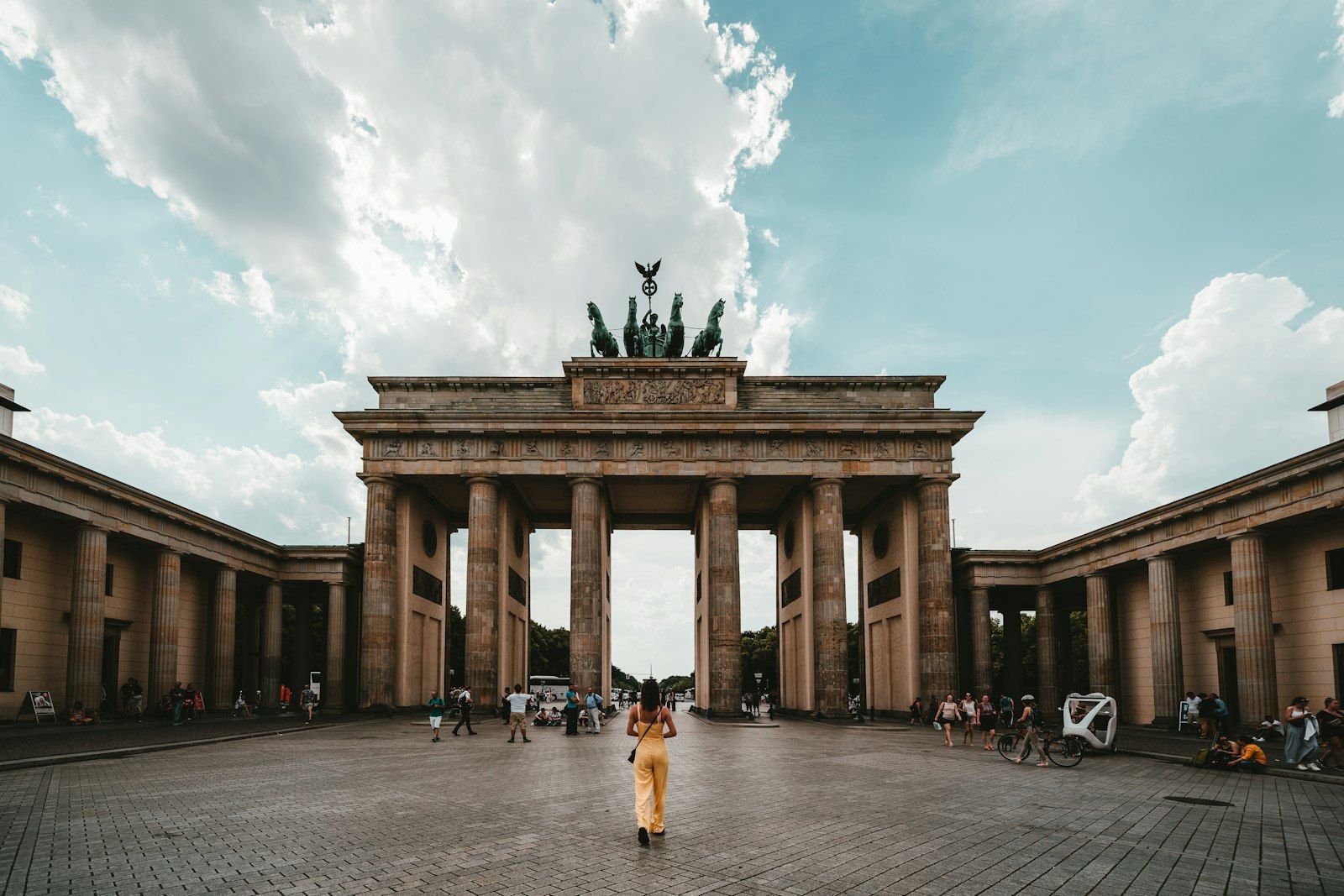
Berlin has over 50 language schools with intensive courses ranging from €298 to €1,149 per month. A shared room (WG-Zimmer) costs €500-700, public transport runs €63/month with the Deutschland-Ticket, and total living costs sit around €1,100-1,400/month. That makes Berlin one of the most affordable capitals in Western Europe for language students. This guide covers schools, neighborhoods, costs, exams, and visa steps — everything you need to plan your move.
Berlin attracts more language students than any other German city. The reasons go beyond cheap rent and nightlife.
Practical advantages: You hear German everywhere — at the Bürgeramt, in supermarkets, at the doctor. Unlike smaller university towns, Berlin forces you to use the language daily. The city also has the widest range of course formats: intensive, semi-intensive, evening, exam prep, and BAMF integration courses. No other German city offers this density of choice.
Job market: Berlin’s startup scene and service industry offer part-time jobs where German is required. Language visa holders can work up to 20 hours/week. Many students fund their stay through Minijobs (up to €556/month tax-free in 2026). Gastronomy jobs in Kreuzberg or Neukölln, for example, often require basic German and pay €12-14/hour.
International community: Around 800,000 residents have a foreign passport. You will find Tandem partners, Sprachcafés, and meetups in every neighborhood. That social infrastructure helps you practise outside the classroom. In Wedding alone, you can join three different Sprachcafé events every week.
Transport: The BVG network covers the entire city. The Deutschland-Ticket at €63/month gives you unlimited travel on buses, trams, U-Bahn, and S-Bahn across all zones. You can also use it on regional trains to explore Brandenburg on weekends.
Cost comparison with other cities: Munich charges €650-900 for a WG room, Frankfurt €550-800. Berlin’s average of €500-700 is lower, and course prices are comparable. Your money stretches further here than in any other major German city.
Berlin’s 50+ schools differ in price, intensity, group size, and accreditation. Below are the most established options for visa-eligible intensive courses (18+ hours/week).
| School | Price | Format | Group Size | Exam Prep | Notes |
|---|---|---|---|---|---|
| die deutSCHule | €298/4 weeks | 20 UE/week | 8-14 | telc | Budget option, 2 locations |
| DeutschAkademie | €369/4 weeks | 20 UE/week | 5-12 | TestDaF, telc | Small groups, flexible schedules |
| GLS | €175-350/week | 20-30 UE/week | max. 12 | TestDaF, telc | Premium campus, on-site housing |
| Goethe-Institut | ~€1,149/3 weeks | 25+ UE/week | 10-16 | Goethe-Zertifikat | Gold-standard certificate |
| Hartnackschule | ~€250/4 weeks | 20 UE/week | 12-18 | telc | One of Berlin’s oldest schools |
| Kapitel Zwei | ~€320/4 weeks | 20 UE/week | 6-12 | telc | Central location, personal approach |
| VHS Berlin | €150/100 UE | varies | 15-25 | telc, DTZ | Cheapest option (state-subsidized) |
| BAMF Integration | €2.29/UE | 20 UE/week | up to 25 | DTZ | Free for eligible participants |
UE = Unterrichtseinheit (teaching unit, 45 minutes).
A 4-week intensive course at die deutSCHule costs €298. Over 3 months, that is roughly €894. At the Goethe-Institut, 3 weeks cost ~€1,149 — the highest per-week rate, but the certificate carries weight with employers and universities worldwide.
The VHS Berlin (Volkshochschule) charges only €150 for 100 teaching units. However, VHS courses are often semi-intensive (12-16 UE/week) and may not meet the 18 UE/week visa requirement. Check the exact schedule before enrolling.
BAMF-funded integration courses cost participants just €2.29 per teaching unit. If you qualify (e.g., through refugee status or family reunification), this is by far the cheapest path. Eligible students may even be fully exempt from fees.
Here is what a typical 6-month stay looks like at a mid-range school:
| Item | Total for 6 Months |
|---|---|
| Course fee (€369 x 6) | €2,214 |
| Books and materials | ~€80 |
| telc B1 exam | ~€150 |
| Total course costs | ~€2,444 |
Add that to your monthly living costs of €1,100-1,400, and a 6-month Berlin stay costs roughly €9,000-10,800 all-in. That is less than 3 months of tuition at many private English-language programs in the US or UK.
Use our school search to filter Berlin schools by price, course type, and start date.
Where you live affects your budget, your commute, and how much German you hear daily. Berlin is a city of distinct neighborhoods (Kieze), each with its own character and price range.
| Neighborhood | WG Room/Month | Character | German Daily? | Commute to Mitte |
|---|---|---|---|---|
| Wedding | €400-550 | Multicultural, affordable | Yes (high) | 10-15 min |
| Neukölln (Nord) | €450-600 | Young, diverse, lively | Mixed | 15-20 min |
| Friedrichshain | €500-700 | Bars, students, startups | Mixed | 10-15 min |
| Prenzlauer Berg | €550-800 | Families, cafés, renovated | Yes (high) | 5-15 min |
| Kreuzberg | €500-750 | Alternative, international | Mixed | 5-15 min |
| Lichtenberg | €350-500 | Quiet, affordable, Vietnamese community | Yes (high) | 15-25 min |
| Moabit | €400-600 | Central, up-and-coming | Yes (high) | 5-10 min |
| Spandau | €350-500 | Suburban feel, very affordable | Yes (high) | 25-35 min |
Wedding offers the best ratio of low rent and German-language immersion. A WG room costs €400-550/month, and most of your neighbors speak German as their daily language. The U6 and U9 lines connect you to central Berlin in under 15 minutes. The Leopoldplatz area has a lively market, dozens of small shops, and several affordable restaurants. A full lunch costs €6-8 in Wedding — try that in Prenzlauer Berg.
Moabit sits right next to the Hauptbahnhof. Rents average €400-600, and the neighborhood has a real Kiez feeling — bakeries, Spätis, weekly markets. You can walk to schools in Mitte. The Turmstraße area is the commercial heart, with supermarkets, a library, and the historic Arminiusmarkthalle.
Nord-Neukölln (around Sonnenallee and Karl-Marx-Straße) is Berlin’s most diverse quarter. WG rooms cost €450-600. You will hear Arabic, Turkish, and German on every block. The area has the cheapest groceries in Berlin — markets on Maybachufer sell fresh produce at wholesale prices.
Friedrichshain sits east of the Spree and attracts students and young professionals. WG rooms run €500-700. The neighborhood has direct S-Bahn access and is close to several schools around Alexanderplatz and Warschauer Straße.
Beautiful streets, excellent cafés, and a calm atmosphere. But WG rooms start at €550 and often reach €800. The trade-off: a very comfortable daily life and easy access to most schools. Prenzlauer Berg suits students who prefer quiet evenings and morning runs along the Mauerpark.
Tip: Search for WG rooms on WG-Gesucht.de starting 4-6 weeks before arrival. Competition is fierce. In Wedding, listings get fewer applicants than in Kreuzberg or Friedrichshain. A typical WG-Gesucht listing in Kreuzberg gets 80-120 replies. In Wedding, it is 20-40.
Berlin is affordable by Western European capital standards. Here is what language students actually spend each month.
| Category | Budget | Mid-Range | Comfortable |
|---|---|---|---|
| WG room | €400 | €550 | €700 |
| Language course | €298 | €370 | €500 |
| Deutschland-Ticket | €63 | €63 | €63 |
| Health insurance | €26 | €35 | €45 |
| Groceries | €200 | €250 | €300 |
| Phone (prepaid) | €10 | €15 | €20 |
| Misc (laundry, social) | €100 | €150 | €200 |
| Total | ~€1,097 | ~€1,433 | ~€1,828 |
Groceries: Shop at Aldi, Lidl, or Netto. A weekly shop for one person costs €35-50. Turkish and Asian supermarkets in Neukölln and Wedding are even cheaper for fresh produce. The Saturday market at Maybachufer (Neukölln) sells fruit and vegetables at prices below supermarket level.
Eating out: A Döner costs €5-7. A lunch menu (Mittagstisch) at a local restaurant runs €7-10. Cooking at home saves roughly €200/month compared to eating out. If you eat out daily, budget €400-500/month for food instead of €200-250.
Free activities: Museums are free on the first Sunday of each month. Parks, lakes (Müggelsee, Wannsee), and most cultural events cost nothing. The Berliner Philharmoniker offers free lunchtime concerts. Open-air cinemas in Kreuzberg screen films for free in summer.
Health insurance: Private travel insurance for language students starts at €26/month (Care College Basic). This is mandatory for your visa. Comprehensive plans with dental coverage cost around €35-45/month. If you work more than a Minijob, you may qualify for statutory insurance (gesetzliche Krankenversicherung) — but this costs significantly more (~€200/month).
Phone: Prepaid SIM cards from Aldi Talk, Lidl Connect, or Congstar cost €8-15/month with enough data for daily use. You need a German address (Anmeldung) for most postpaid contracts.
For a full breakdown of costs across all German cities, see our costs page.
If you need a language course visa (Sprachkursvisum), plan ahead. The full process takes 3-5 months from application to arrival.
The visa requires:
You can work up to 20 hours/week on this visa. Since the Fachkräfteeinwanderungsgesetz reform of March 2024, the visa is a legal entitlement (Rechtsanspruch). The embassy must grant it if you meet all requirements.
EU/EEA citizens do not need a visa. You can enroll directly and stay as long as you want. Citizens from visa-exempt countries (USA, Canada, Australia, Japan, South Korea) can enter without a visa but need the language course visa for courses longer than 90 days.
For the complete visa guide with all documents and step-by-step instructions, read our language course visa article.
Within 14 days of moving into your apartment, you must register at the local Bürgeramt. You need:
Berlin’s Bürgeramt appointments are notoriously hard to get. Book online at service.berlin.de the moment you have a confirmed address. Without Anmeldung, you cannot open a bank account, sign a phone contract, or register for many courses.
Tip: Try the Bürgeramt in Spandau or Lichtenberg — they often have slots available days before central locations like Mitte or Kreuzberg.
Berlin hosts all major German language exams. Choosing a school that doubles as an exam center saves time and stress.
| Exam | Where in Berlin | Levels | Purpose | Price Range |
|---|---|---|---|---|
| TestDaF | GLS, DeutschAkademie | B2-C1 | University admission | €195 |
| telc Deutsch | GLS, Hartnackschule, Kapitel Zwei | A1-C2 | General + visa proof | €120-180 |
| Goethe-Zertifikat | Goethe-Institut Berlin | A1-C2 | Globally recognized | €150-280 |
| DSH | FU Berlin, HU Berlin, TU Berlin | B2-C2 | Direct uni admission | €100-130 |
| DTZ | Various BAMF centers | A2-B1 | Integration course final | Free (with course) |
For university admission: TestDaF or DSH. Most German universities accept either. The DSH is offered directly by Berlin’s three major universities: Freie Universität (FU), Humboldt-Universität (HU), and Technische Universität (TU). You must be enrolled or accepted at the university to take the DSH there. TestDaF results are valid indefinitely and accepted at all German universities.
For work or residency: telc Deutsch B1 or B2 is the standard proof. The Einbürgerungstest (citizenship test) requires B1. Many employers in healthcare, education, and public administration specifically ask for a telc or Goethe certificate at B2 level.
For maximum recognition: The Goethe-Zertifikat is accepted worldwide. It costs more but carries the most prestige. If you plan to use your German certificate outside of Germany — for example, for university applications in Austria or Switzerland — the Goethe-Zertifikat is your safest choice.
Plan your exam date before you start your course. Most students need:
A student starting from zero and targeting university admission (TestDaF or DSH) should plan for 12-15 months of intensive study in Berlin.
Tip: Book your exam at least 6-8 weeks in advance. TestDaF dates are fixed (6 per year), and spots fill up fast in Berlin. telc exams run monthly at most centers and are easier to schedule.
Classroom hours alone will not get you to fluency. The fastest learners combine structured courses with daily practice outside school.
A Tandem partner is someone learning your native language while you learn theirs. You meet regularly and switch languages every 30 minutes. This is one of the most effective free tools for improving your spoken German. Many B1 students say their Tandem sessions helped more than any textbook exercise.
Where to find partners:
How to make it work: Meet at least once a week for 60-90 minutes. Set a timer so both languages get equal time. Choose public places like cafés or parks where conversation flows naturally. Prepare topics in advance — talking about your day, current events, or Berlin life works well at every level.
Sprachcafés are informal meetups where you practise German over coffee or beer. They are free or cost the price of a drink.
Popular options:
Not everyone can afford a private language school. Berlin offers several affordable and free alternatives.
Berlin has 12 VHS locations across the city. German courses cost €150 for 100 teaching units — roughly €1.50 per teaching hour. That is a fraction of private school prices.
Advantages: State-subsidized fees, experienced teachers, recognized certificates, locations in every district.
Limitations: Larger groups (15-25 students), fewer start dates, some courses do not meet the 18 UE/week visa requirement. Always confirm the weekly hours before signing up.
The Bundesamt für Migration und Flüchtlinge funds integration courses for eligible residents. The course includes 600 teaching units of German (to B1 level) plus 100 units of civic orientation (Orientierungskurs).
Cost: €2.29 per teaching unit — or free if you receive social benefits. The course ends with the DTZ exam (Deutsch-Test für Zuwanderer).
Housing is the biggest challenge for newcomers. Start your search 4-6 weeks before arrival.
| Type | Price Range | Pros | Cons |
|---|---|---|---|
| WG room | €400-700 | Social, affordable, furnished | Competitive, casting process |
| Student dorm | €250-400 | Cheapest, structured | Long wait lists, far from center |
| 1-room apartment | €700-1,000 | Privacy | Expensive, hard to find |
| Temporary sublet | €500-800 | No long commitment | Short-term only (1-3 months) |
| Hostel/co-living | €600-900 | Instant community | No Anmeldung, expensive long-term |
Arrive 1-2 weeks before your course starts. Book a hostel, Airbnb, or temporary sublet to give yourself time to search in person. Online-only searches from abroad rarely succeed for permanent WG rooms.
Budget for temporary housing: A bed in a Berlin hostel costs €20-35/night. A private room runs €40-70/night. A short-term sublet (Zwischenmiete) on WG-Gesucht typically costs €500-800/month. Two weeks in a hostel will cost you roughly €300-500. Factor this into your arrival budget.
School housing options: GLS offers on-campus housing for students (included in their premium packages or bookable separately). Some other schools maintain partnerships with nearby student residences. Ask your school about housing before arrival — this can save you the stressful first-week search.
Warning: Never transfer money before signing a lease or seeing the room. Scams are common on online platforms. If a listing asks for a deposit before a viewing, walk away. Legitimate landlords will always show the room first.
Prices range from €150 at the VHS to ~€1,149 for 3 weeks at the Goethe-Institut. Most private intensive courses cost €298-500 per 4 weeks. DeutschAkademie charges €369/4 weeks, die deutSCHule starts at €298/4 weeks, and GLS runs €175-350/week depending on intensity. The BAMF integration course costs just €2.29 per teaching unit for eligible participants.
Yes. The language course visa (§ 16f AufenthG) allows up to 20 hours/week. Many students work Minijobs earning up to €556/month tax-free. Common jobs include gastronomy, retail, delivery, and tutoring. EU citizens have no work restrictions.
Wedding offers the lowest rents (€400-550/month for a WG room) with excellent German-language immersion and direct U-Bahn connections to central Berlin. Lichtenberg and Spandau are even cheaper (from €350) but further from most schools.
With an intensive course (20 UE/week), most students reach B1 in 6-8 months. That is roughly 600 teaching units. Adding daily practice through Tandem, Sprachcafés, and German media can shorten this by 1-2 months. Individual pace varies with your native language and study habits.
Only if you need a language course visa (§ 16f AufenthG). The current requirement is €1,091/month, or €13,092 for 12 months. EU citizens and visa-exempt nationals on courses under 90 days do not need a Sperrkonto.
The Deutschland-Ticket costs €63/month and covers all local and regional public transport across Germany — not just Berlin. It works on U-Bahn, S-Bahn, buses, trams, and regional trains (RE/RB). You buy it as a monthly subscription through the BVG app or at ticket counters.
That depends on your goal. For university admission: TestDaF (at GLS or DeutschAkademie) or DSH (at FU, HU, or TU Berlin). For work and residency proof: telc Deutsch B1/B2 (at GLS, Hartnackschule, or Kapitel Zwei). For global recognition: Goethe-Zertifikat (at Goethe-Institut Berlin).
No. While some bars in Mitte or Kreuzberg operate in English, daily life runs on German. The Bürgeramt, doctor’s offices, supermarkets, and public services all use German. Choose a neighborhood like Wedding, Moabit, or Lichtenberg where English is less common, and you will be immersed from day one.
Start 5-6 months before your intended course date. Book your embassy appointment first (wait times of 4-12 weeks), then enroll at a school, open your Sperrkonto, and arrange health insurance. Housing search should begin 4-6 weeks before arrival.
Yes. If you gain university admission during your language course, you can apply to convert your language course visa (§ 16f) into a student visa (§ 16b) at the Landesamt für Einwanderung (LEA) in Berlin without leaving Germany. Bring your university admission letter, financial proof, and health insurance.
Ready to find your school in Berlin? Use our school search to compare 50+ Berlin language schools by price, course type, and start date. Filter for visa-eligible intensive courses and get enrollment details in one click.
language20+ students per class. Stuck at B1 for months. Teacher speaks English. No exam prep. No accreditation. If this sounds familiar, you're paying for nothing.
 germany
Compare 10 German cities for language students: living costs (€660-1,200/month), course prices (€289-1,149), schools, immersion quality, and job markets.
 germany
Compare the most affordable German cities for language students: rent, course fees, living costs, and total monthly budgets for Leipzig, Dresden, Chemnitz, Dortmund, and more — with real numbers for 2026.
Compare by level, format, price and city – and start your search now.